
The new role of distribution system operators

Between decentralised renewables and demande response
This episode of FSR Debates will provide an opportunity to take stock of the progress achieved so far and the next steps to achieve a seamless operation of the electricity system in the Net-Zero scenario.
Watch:
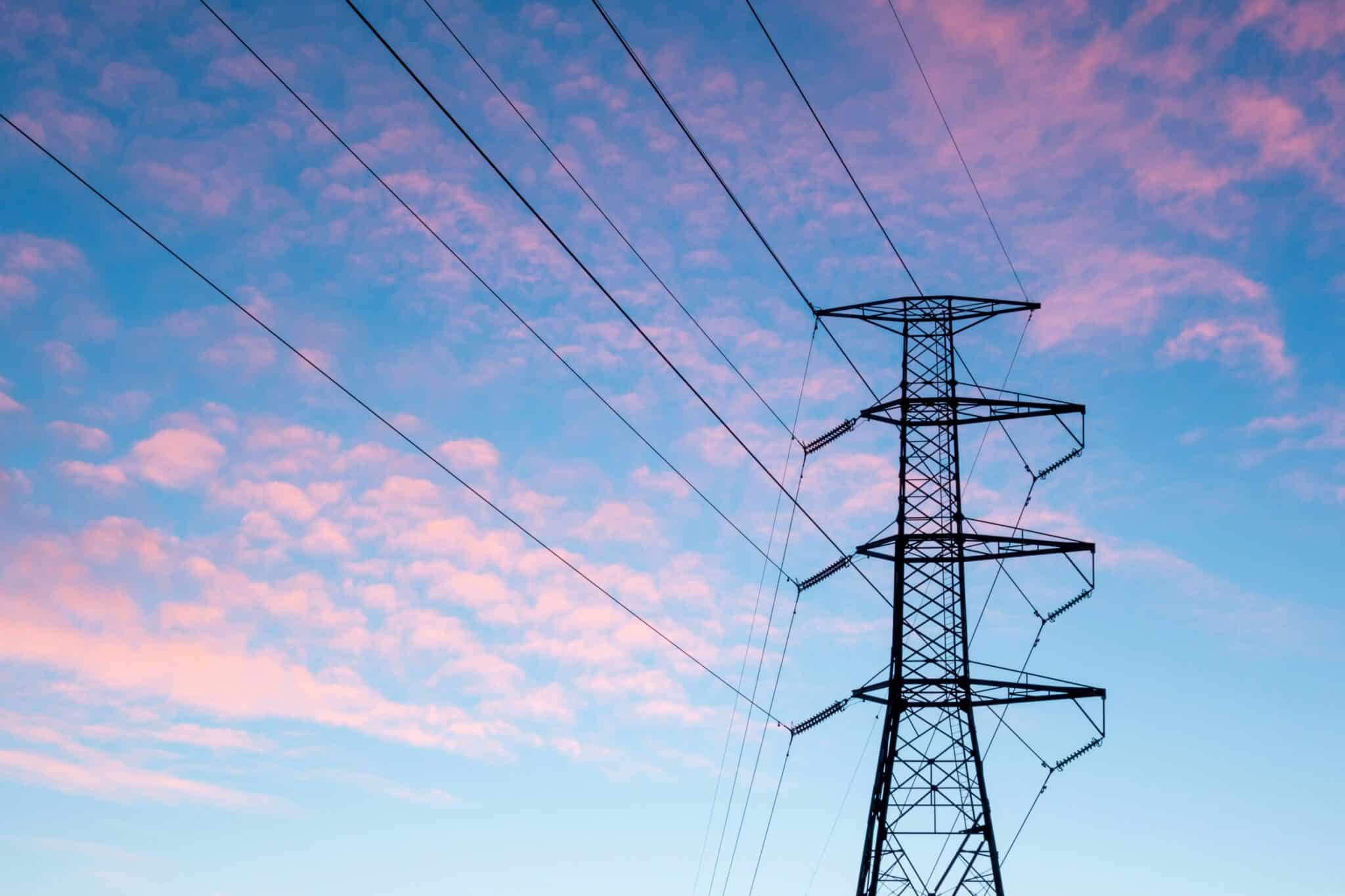
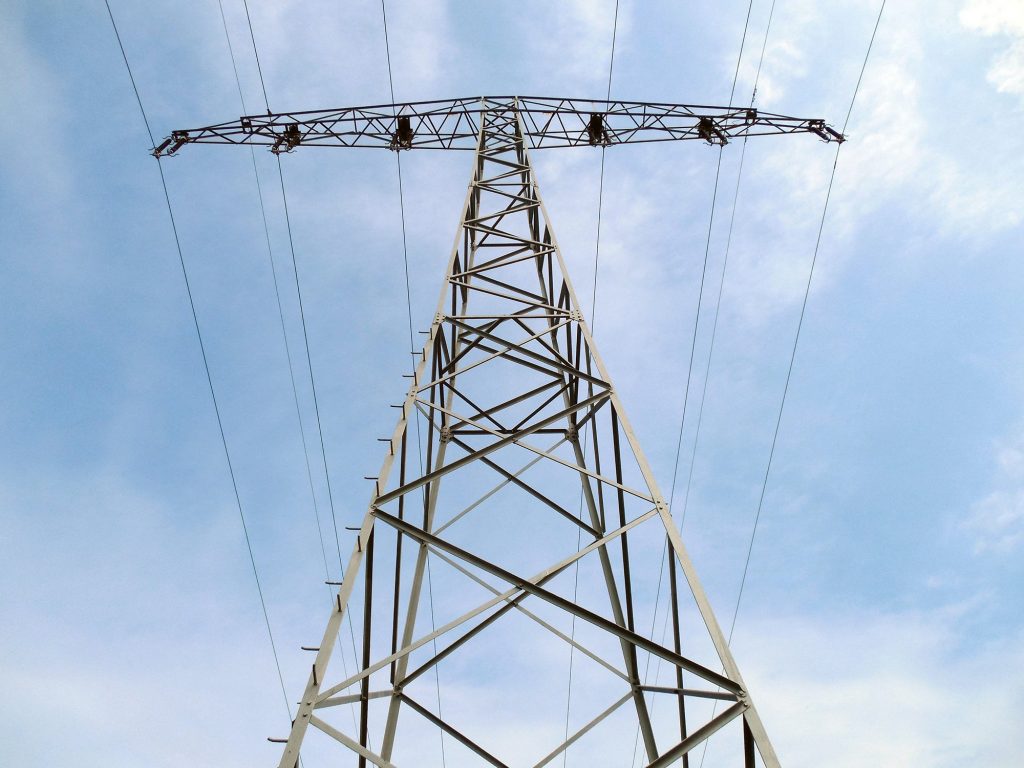
The ambitious energy and climate targets to which the EU has committed require a massive deployment of renewable-based generation, much of which will be decentralised and connected to the distribution grid. Beyond being decentralised, the output profile of much of this generation will be variable, unpredictable, and unreliable, requiring a more flexible energy system to accommodate it.
Fortunately, advances in technology and digitalisation over the last ten years provide the possibility of harnessing more flexible resources, including those which will be developed for the main purpose of providing flexibility to the system (e.g. demand response and storage). Most of these resources will also be connected at distribution level.
Therefore, the traditional role of the distribution systems and their operators – to deliver to connected consumers the electricity produced by large generating units connected at transmission level – is being complemented by a new task, of managing the flexibility provided and required by resources connected at distribution level. This task is a key one for the energy transition and, in this regards, will make the functions of the distribution system operators more similar to the role of transmission system operators. For sure, the need for cooperation and coordination between transmission system operators and distribution system operators will increase.
This transformation, which already started a few years ago, led to new EU rules regarding the functions of the distribution system operators and their cooperation with the transmission system operators. But the challenge is not yet won.
Programme
14.00 – 14.05 Introduction to the Debate
Alberto Pototschnig | Florence School of Regulation
14.05 – 14.15 The new role of electricity Distribution System Operators
Ellen Beckstedde | Loyola de Palacio Chair Resercaher, EUI
14.15 – 14.25 The cooperation between Transmission and Distribution System Operators
Fabio Genoese | Co-convener, TSO-DSO development team on Demand Response, ENTSO-E
Moderator: Ilaria Conti | Florence School of Regulation
14.25 – 14.50 Introductory remarks from the panellists
Gert De Block | Secretary General, CEDEC
Carmen Gimeno | Secretary General, GEODE
Louise Rullaud | Head of Distribution & Market Facilitation, Eurelectric
Roberto Zangrandi | Secretary General, E.DSO
14.50 – 14.55 Polls
14.55 – 15.20 Comments on the polls outcome and Q&A from the audience
Panellists
15.20 – 15.30 Concluding remarks
Ilaria Conti | Florence School of Regulation
Alberto Pototschnig | Florence School of Regulation
Don’t miss any update on our events
Sign up for free and access the latest events from our community.